
20 February 2026
•6 min read
Progressive Web Apps vs Native Mobile Apps: Which Is Right for Your Business?
The decision between building a PWA and a native app is one of the most common questions we hear from clients. Here is how we think about it, and the questions we ask before recommending either.
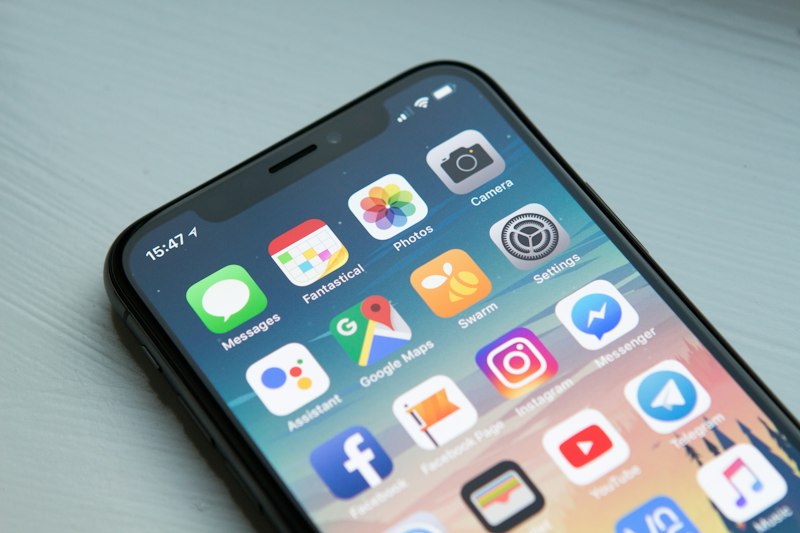
Almost every business we talk to has the same question: Should we build a mobile app, or is a website enough? The honest answer is that it depends, but the framework for making that decision is straightforward once you understand what each option actually is.
What Is a Progressive Web App?
A Progressive Web App (PWA) is a website that behaves like a mobile app. It can be installed on a user's home screen, works offline (through service workers), sends push notifications, and loads quickly even on slow connections. The key difference from a traditional website is that it closes the gap between "web experience" and "app experience" significantly.
PWAs are built with standard web technologies (HTML, CSS, JavaScript), which means a single codebase works on Android, iOS, and desktop browsers. There is no App Store or Play Store submission process.
What Is a Native Mobile App?
A native app is built specifically for a platform: iOS (Swift/Objective-C) or Android (Kotlin/Java), or uses a cross-platform framework like React Native or Flutter that compiles to native code. Native apps have full access to device hardware: camera, GPS, biometrics, Bluetooth, NFC, and more.
Native apps live in the App Store and Play Store, which provides a degree of discoverability but also introduces review processes, submission fees, and update delays.
When We Recommend a PWA
- Budget is a constraint. A PWA is typically 40–60% cheaper to build than two native apps (iOS + Android).
- Your primary need is content, commerce, or forms. If users are browsing products, reading articles, or filling out bookings, a PWA handles these beautifully.
- Discoverability matters. PWAs are indexed by Google. Native apps are not.
- You need to update frequently. PWA updates deploy instantly; native app updates require users to download a new version.
- Your users are on Android. Android has excellent PWA support. iOS has improved significantly but still has some limitations.
When We Recommend a Native App
- You need deep hardware access. Biometric authentication, NFC payments, Bluetooth peripherals, background GPS tracking: these are reliably better on native.
- Performance is critical. For real-time gaming, complex animations, or high-frequency data processing, native still has the edge.
- Your audience expects an app store presence. Some enterprise clients, healthcare providers, and financial services companies specifically require App Store distribution for compliance or perception reasons.
- Offline-first functionality is complex. If users need to create and sync data offline (field agents, delivery drivers), native apps handle this more robustly.
The Hybrid Path
For many of our clients, the right answer is a PWA first, native later. Build the PWA to validate the product and reach users quickly, then invest in a native app once you have a clear picture of which features genuinely need native capabilities.
We have built both at Kazi Media. If you want to talk through your specific use case, reach out, and we will give you our honest recommendation.
Have a project in mind?
Get in touch →